Smarter
SHOREline
ForeCASTing
Smart Hybrid Observation for Risk Coastal Analysis using Simulation and Technology
Integrating coastal observations, numerical modelling and artificial intelligence to improve shoreline and flooding prediction.
Learn about our mission →
SHORECAST will improve Coastal Early Warning Systems by combining hydrodynamic observations, shoreline information, numerical simulations and machine-learning methods to deliver faster and more reliable coastal hazard forecasts.
Mission
Improve the prediction of shoreline evolution and coastal flooding by integrating observations, satellite information, numerical modelling and artificial intelligence in a unified scientific framework.
Vision
Transform complex coastal information into rapid, interpretable and actionable forecasts that support risk reduction, preparedness and resilient coastal management.
From coastal dynamics to early warning
The project is structured as a connected workflow covering site selection, data generation, shoreline prediction, flooding prediction and the final implementation of the SHORECAST Coastal Early Warning System.
Site selection
Identification of Spanish Mediterranean beaches showing shoreline rotation, cyclic variability and relevant coastal-risk conditions.
→Coastal datasets
Integration of hydrodynamic observations, satellite-derived shorelines and synthetic flooding scenarios generated through numerical modelling.
→Shoreline module
Development, training and validation of ML/DL models for short- to medium-term prediction of highly dynamic shoreline configurations.
→Flooding module
AI-based prediction of coastal flooding occurrence and magnitude using hydrodynamic forcing, modelling results and observed or predicted shoreline positions.
→SHORECAST CEWS
Integration of the predictive modules into a rapid, operational and user-oriented Coastal Early Warning System.
→Data, physics and AI in one forecasting chain
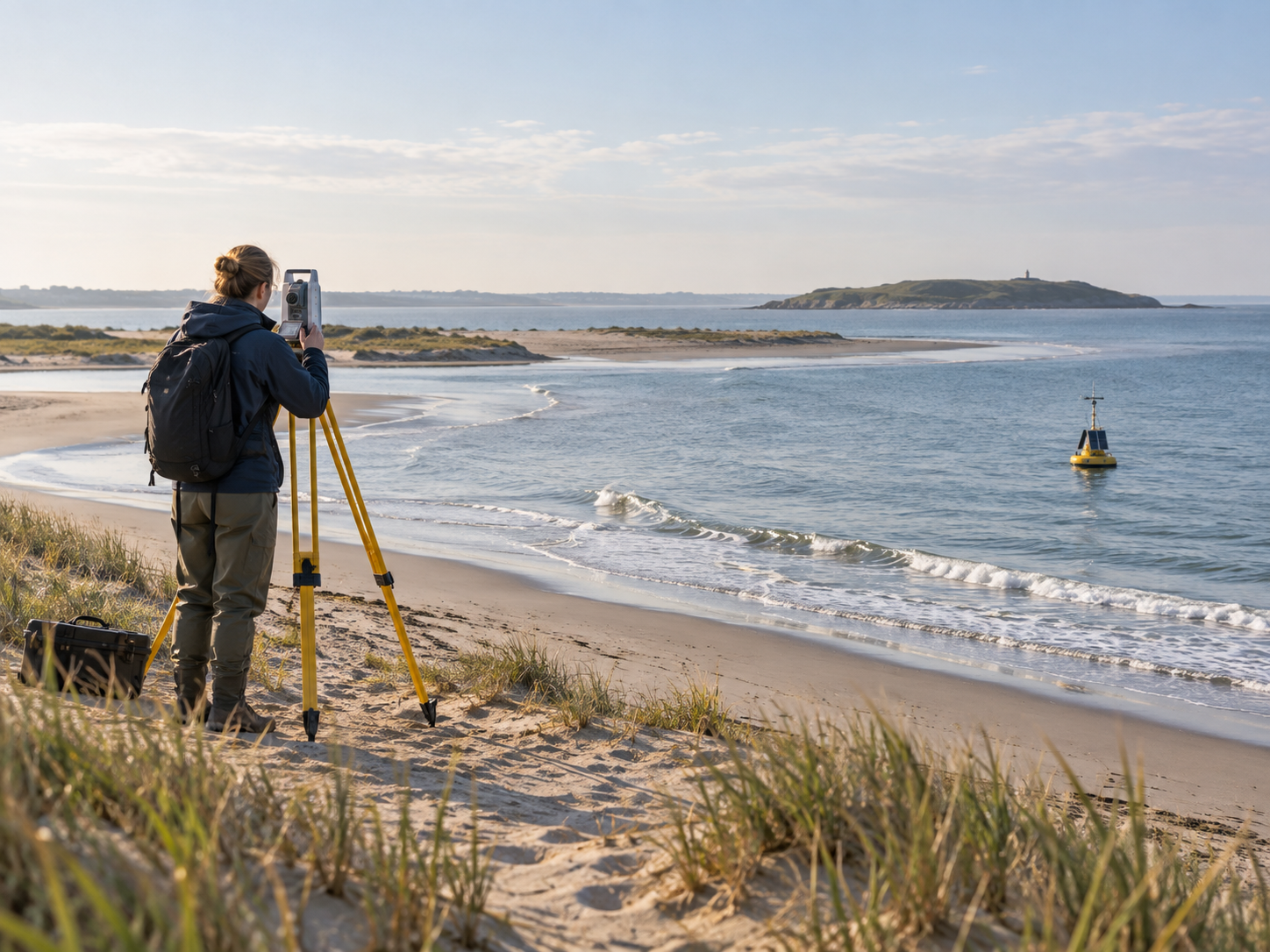
Observe
Waves, water levels, shorelines and coastal morphology from field observations and monitoring systems.
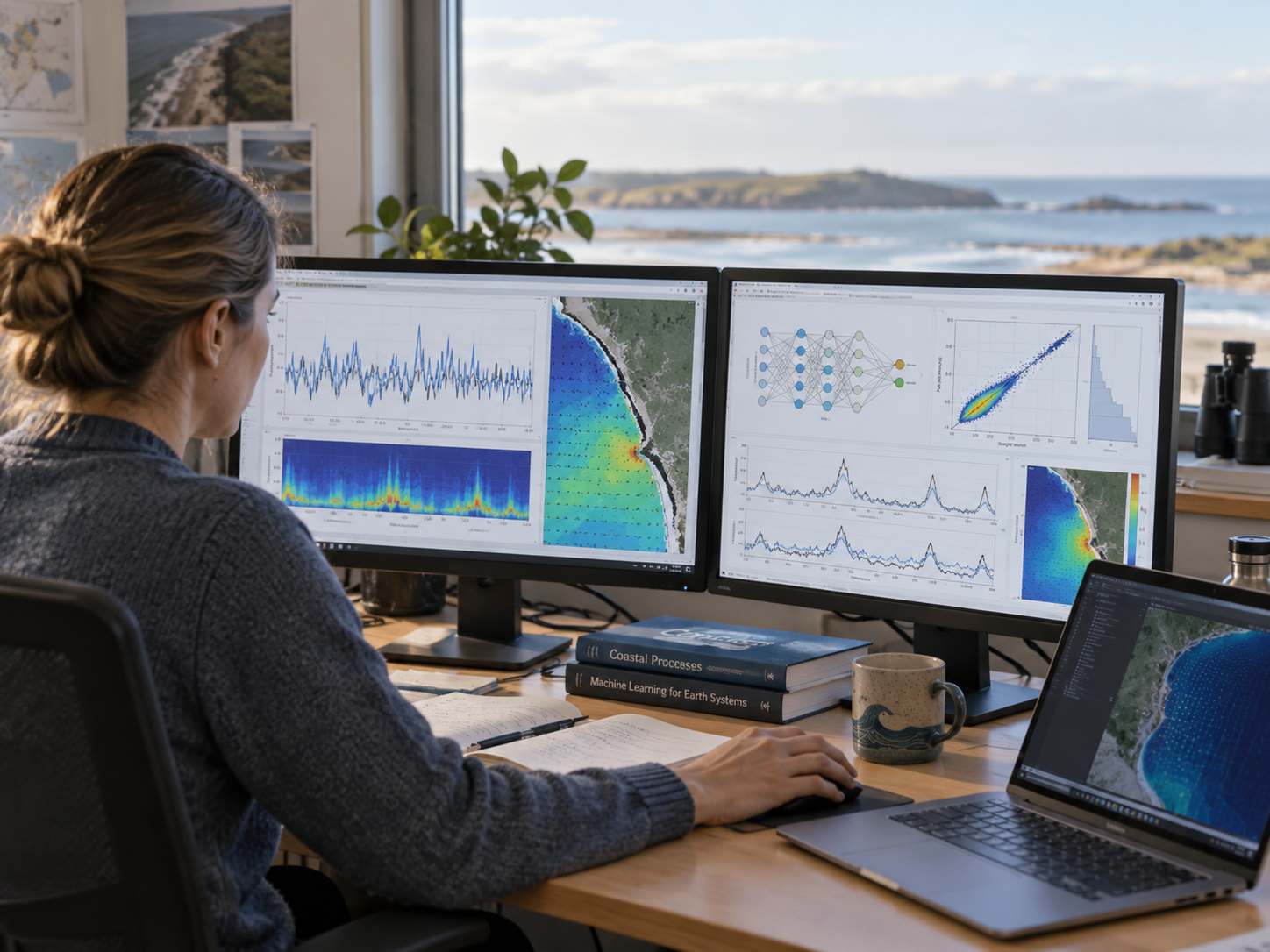
Simulate
Hydrodynamic, morphodynamic and coastal flooding scenarios using numerical modelling tools.
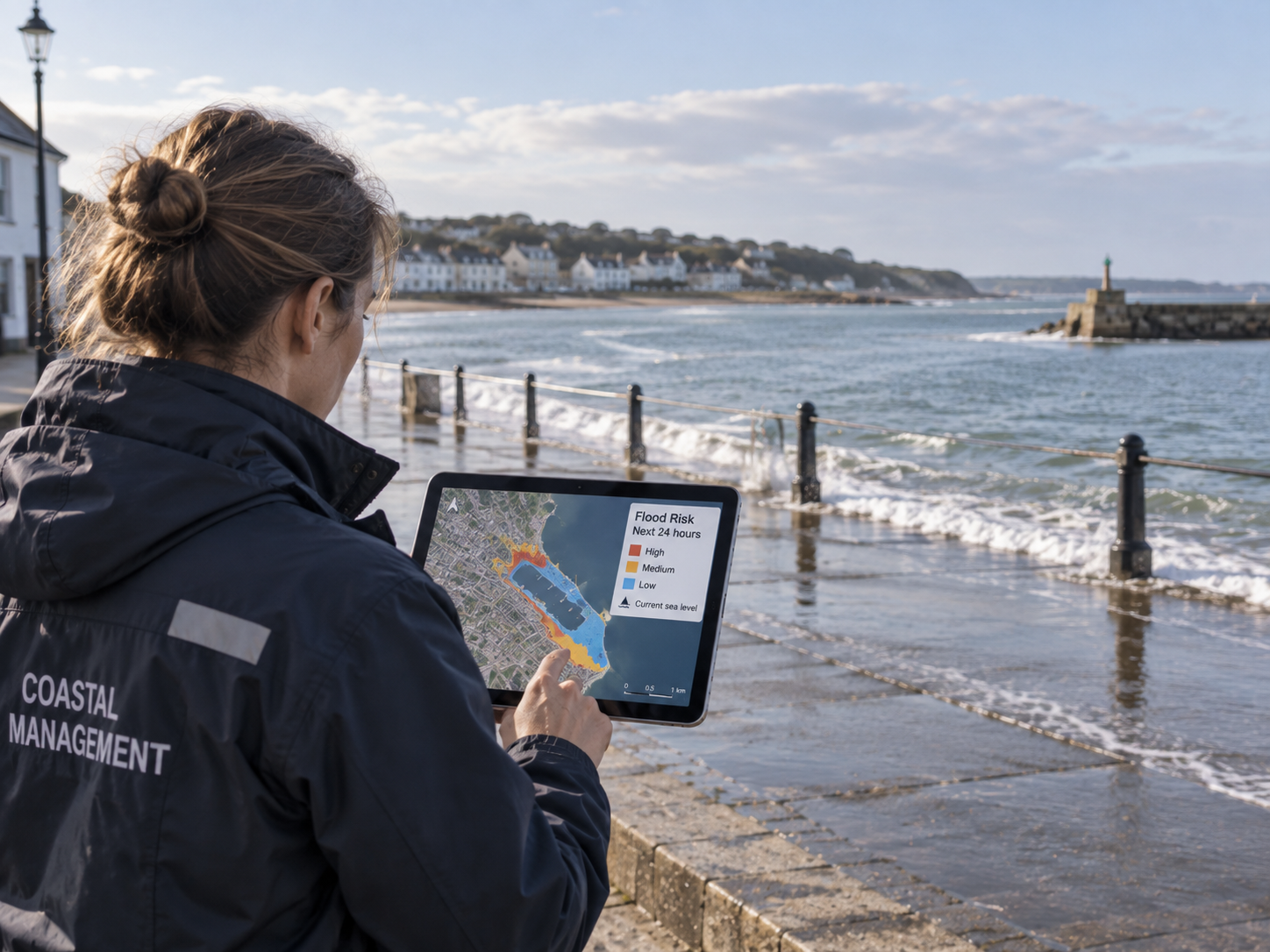
Learn
Machine-learning and deep-learning predictive architectures trained to improve coastal forecasting skill.
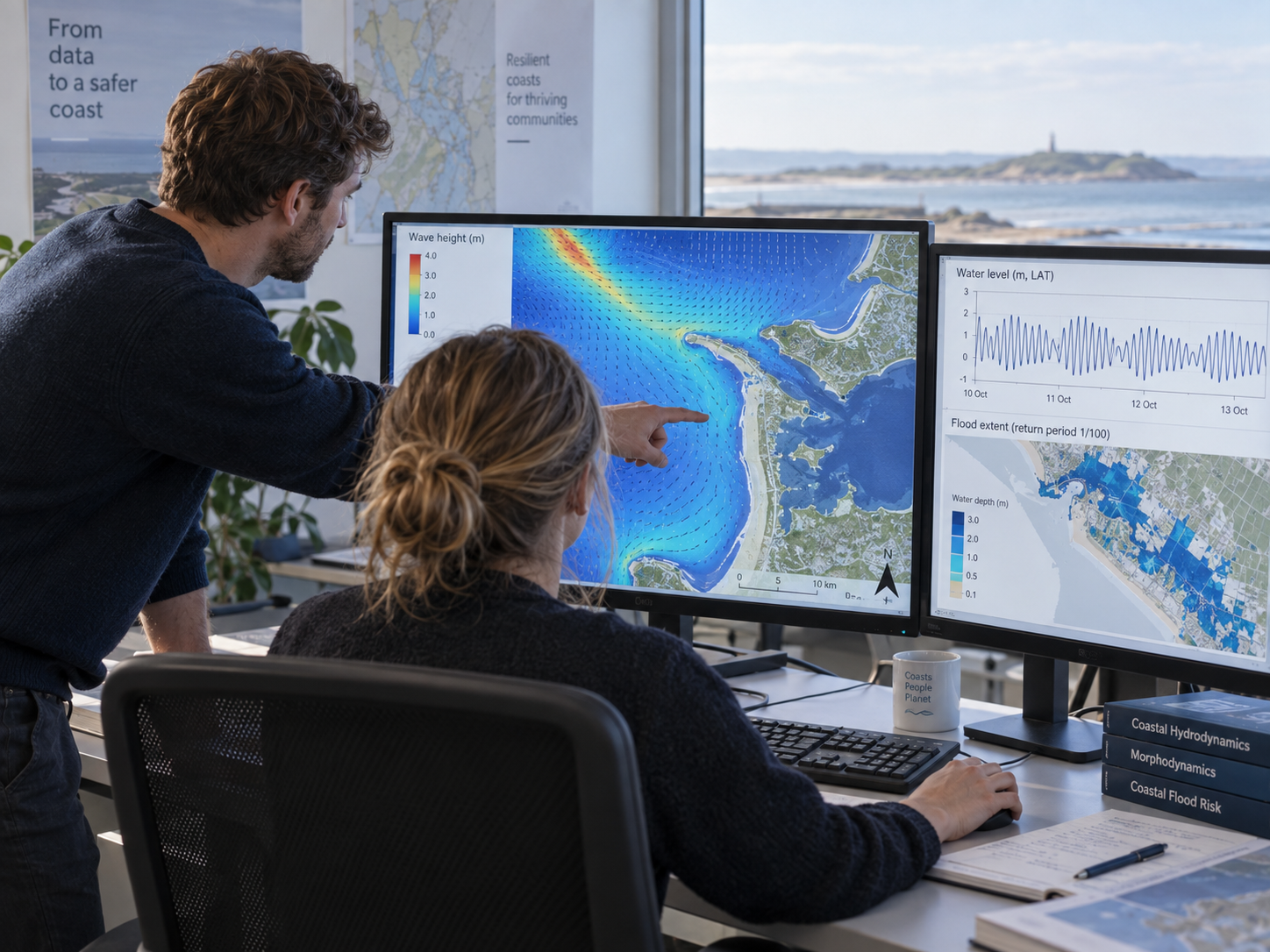
Warn
Rapid and interpretable risk information to support early warning and decision-making for end users.
What SHORECAST will achieve
Identify coastal stretches along the Spanish Mediterranean showing significant cyclic shoreline changes at seasonal and episodic time scales.
Generate hydrodynamic, shoreline and flooding datasets for training machine-learning algorithms.
Develop an ML/DL shoreline prediction model capable of forecasting short- to medium-term morphological evolution from hydrodynamic forcing.
Build an ML/DL flooding prediction model integrating hydrodynamic inputs and shoreline forecasts.
Construct and validate a prototype Coastal Early Warning System.
Science, engineering
and coastal innovation
SHORECAST is coordinated by the Laboratori d’Enginyeria Marítima (LIM-UPC) at the Universitat Politècnica de Catalunya · BarcelonaTech.
The project brings together expertise in coastal engineering, numerical modelling, coastal observations, remote sensing, artificial intelligence and coastal risk assessment.
Coordinated by
LIM-UPC
The Laboratori d’Enginyeria Marítima (LIM) at the Universitat Politècnica de Catalunya (UPC) leads SHORECAST, combining expertise in coastal processes with numerical modelling and data-driven forecasting.

Principal Investigators
Dr. César
Mösso Aranda
Laboratori d’Enginyeria Marítima (LIM-UPC)
Universitat Politècnica de Catalunya · BarcelonaTech


Dr. Vicente
Gracia García
Laboratori d’Enginyeria Marítima (LIM-UPC)
Universitat Politècnica de Catalunya · BarcelonaTech
Researchers and collaborating institutions participating in SHORECAST will be presented here as the project develops.
Explore project outputs
Publications
Peer-reviewed papers and conference contributions.
Datasets
Open observational and synthetic datasets produced by SHORECAST.
Deliverables
Project reports, technical documentation and methodological outputs.
Software
Code, workflows and tools supporting the SHORECAST forecasting system.
Project updates
SHORECAST project website launched
Project activities and field campaigns
COMING SOONPublications, datasets and project results
Science connected to coastal decision-making
SHORECAST is supported by public institutions working in coastal observation, territorial management and civil protection, reinforcing the operational relevance of the project beyond the research environment.
Institut Cartogràfic i Geològic de Catalunya
Institutional support for the integration of coastal observations, shoreline monitoring and advanced machine learning within Coastal Early Warning Systems.

Generalitat de Catalunya
Support from the Direcció General de Polítiques del Litoral and the Direcció General de Protecció Civil, highlighting the value of SHORECAST for coastal flooding, erosion and storm-risk management.
National research funding
SHORECAST is funded within the Spanish national research framework by MICIU and the Agencia Estatal de Investigación (AEI).
PID2025-175483NB-I00